

How we prepare vehicles before the return is described on our page about preparation before a lease return. This guide covers the question that comes first: what is actually relevant? Please note: the legal and contractual points in this guide are based on German sources (including the German automobile club ADAC). For lease contracts in other countries, your own contract and your leasing company’s terms apply.
In short
A lease car does not have to be as good as new when you return it. According to the ADAC, normal wear and tear appropriate to the car’s age is not a problem. What is charged is excessive wear – as a loss in value, not automatically as repair costs. So before the return, one thing is worth it above all: finding out which marks are relevant at all before you commission any work. Preparation can improve the condition. It does not guarantee a return without objections.
What counts at the return
What matters is your lease contract and your leasing company’s assessment criteria. Many leasing companies assess according to their own damage catalogue. Anything that counts as normal wear there does not need to be fixed.
The type of contract also matters. With a German mileage-based lease (“Kilometerleasing”), you pay for extra kilometres and for any loss in value due to excessive wear. According to the ADAC, this loss in value is not automatically as high as the repair costs, and in Germany the leasing company is not entitled to VAT on it. With a residual-value lease (“Restwertleasing”), on the other hand, you bear the residual value risk: if the car is worth less than calculated in the contract, you pay the difference. There, the overall condition has a more direct effect.
What preparation can do – and what it cannot
Whether preparation is worth it depends on what you are dealing with:
| Finding | Does preparation help? | What is more likely to apply |
|---|---|---|
| Heavy dirt inside and out | Yes | Thorough interior and exterior cleaning |
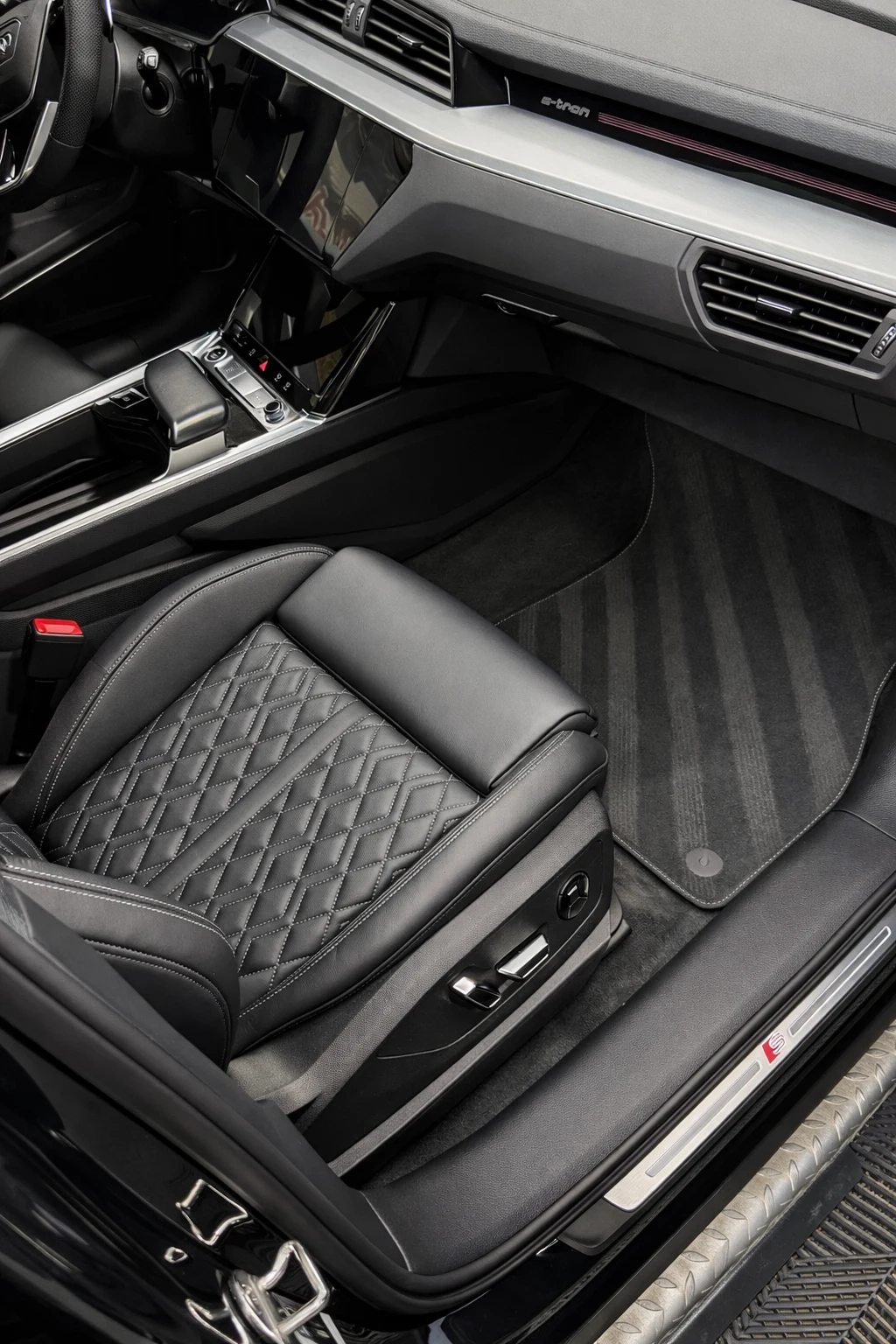
| Stains on seats and carpets | Often, not always | Upholstery cleaning; some stains remain visible |
| Odours | Partly | Cleaning and odour treatment, depending on the cause |
| Fine scratches and wash marks in the paint | Yes, if they are in the clear coat | Targeted polishing of the affected areas |
| Scratches down to the primer | No | Paint shop or smart repair, otherwise loss in value |
| Dents and dings | No | Paintless dent removal or repair, otherwise loss in value |
| Kerb damage on wheels | No | Wheel repair, otherwise loss in value |
| Burn holes, tears in the interior | No | Upholsterer or replacement, otherwise loss in value |
Often heard – is it true?
- “With a full detail there will be no extra charge.” Not true. Preparation improves the condition, but it does not replace a repair and has no influence on how the assessor evaluates.
- “A repair is always cheaper than the extra charge.” Not necessarily. Only the loss in value is compensated – and that can be lower than the repair costs. With genuine damage, it is therefore worth comparing.
- “I can choose the assessor myself.” Usually not. As a rule, the leasing company appoints them. An independent assessment of your own beforehand is still possible – sensible if you expect disagreements.
How to prepare for the return
Allow a few weeks for it. That leaves time to clarify findings and compare quotes.
- Read the contract and damage catalogue: clarify the contract type, return deadline and assessment criteria.
- Look at the condition in daylight and take photos – inside and out.
- Have documents, keys and accessories complete and ready. Missing accessories can also be charged.
- Act selectively: clean and prepare what can be improved. With genuine damage, compare repair and loss in value.
- Be present at the return if possible and check the report – especially the mileage – before you sign.
My assessment from practice
In my view, a lease return is not about restoring the vehicle to as-new condition. What matters is that it is handed back well looked after and that no unnecessary costs arise from excessive damage.
What often makes sense is a thorough interior and exterior clean, removing stubborn dirt, targeted treatment of noticeable spots in the paint and getting rid of odours and stains inside. Minor damage to wheels or bodywork is worth looking at – not to have everything repaired as a matter of principle, but to judge what makes economic sense.
I would regularly advise against elaborate full details, extensive paint correction or high-end long-term coatings if the vehicle is returned immediately afterwards and no corresponding benefit is to be expected. And not every sign of use is automatically chargeable damage – the return catalogue and the contract are what count here.
We can improve the condition, but we cannot guarantee an assessment result – and I say that openly.
My goal is that you don’t spend more money on the return than necessary. Sometimes targeted preparation makes more sense than an extensive full package.
Tom · Founder & owner of the GlanzSchmiede
Conclusion
Before a lease return, what pays off is not as much preparation as possible, but the right preparation. If you know your contract and damage catalogue and separate normal wear from genuine damage, you usually spend less and have fewer surprises at the assessment. For legal questions about the contract, an automobile club or legal advice is the right place to go.
Not sure what makes sense for your vehicle? Then let’s look at it together and discuss which options really match your expectations. Go to the contact page
Sources & further information
- Volkswagen Financial Services – damage catalogue (assessment at vehicle return; German)
- Santander / Mazda Finance – transparent vehicle assessment (German)
- TÜV SÜD Auto Plus on behalf of Allane SE – damage catalogue (German)
- Leasingmarkt.de – lease return: process and loss in value (German)
- ADAC – lease return: how to avoid typical cost traps (German)
- ADAC – leasing: mileage and residual-value leasing explained (German)
- ADAC Fahrzeugwelt – lease return: the most important tips (pre-assessment, report; German)
Technical statements are based on these sources and have been summarised in our own words and cross-checked. Manufacturer information is identified as such. Personal assessments appear exclusively in the section “My assessment from practice”.
In this guide
- What counts at the return
- What preparation can do – and what it cannot
- Often heard – is it true?
- How to prepare for the return
- Conclusion
Personal advice
We look at your vehicle and tell you honestly what makes sense – and what does not.
Frequently asked questions
Your questions.
Is a ceramic coating still worth it before the return?
As a rule, no. A high-end long-term coating delivers its benefit over years. If the vehicle is returned shortly afterwards, the effort is out of all proportion to the result.
What can I do if I disagree with the return assessment?
According to the ADAC, the assessment of the loss in value is one of the most common points of dispute. Your own photos and, if necessary, an independent assessment before the return are helpful. For legal clarification, an automobile club or legal advice are the right contacts.
Personal consultation
Your car.
Your standards.
Our advice.
Tell us what your car needs. We’ll get back to you personally – with a clear recommendation instead of an off-the-shelf package. We welcome clients from Aachen, the Eifel, South Limburg and East Belgium – and we reply in English or German.